
Local Citations SEO: Trust Signals That Drive Rankings
Local citations tell Google your business is real, accurate, and relevant. See how to build, audit, and optimize them for rankings and AI citations.

Local citations SEO is one of the most direct levers a business can pull to improve local search rankings. A local citation is any online mention of your business name, address, and phone number (NAP) on a third-party website. Google cross-references these mentions to verify your business is real, active, and located exactly where you say it is.
Businesses ranking in the local 3-pack average 68 citations across platforms, according to Whitespark research. Miss that mark, or have inconsistent data spread across directories, and Google loses confidence in your listing. That confidence drop directly costs you map pack visibility.
This guide covers what local citations actually are, how they work as trust signals in both traditional and AI-powered search, and the exact process we use to build and audit them for our clients.

Written by Likhon Ahmed
SEO Service USA | Queens Village, New York City | seoserviceinusa.net
Local Citations Are Not Just Directory Listings
Most agencies treat citations as a checkbox task. Submit to 50 directories, move on. That approach misses the bigger picture entirely.
Citations are entity verification signals. Every time your NAP appears consistently on a trusted site, you reduce Google's cost of retrieving your business entity. The more sources confirm the same data, the more confident Google becomes in surfacing your business for relevant local queries.
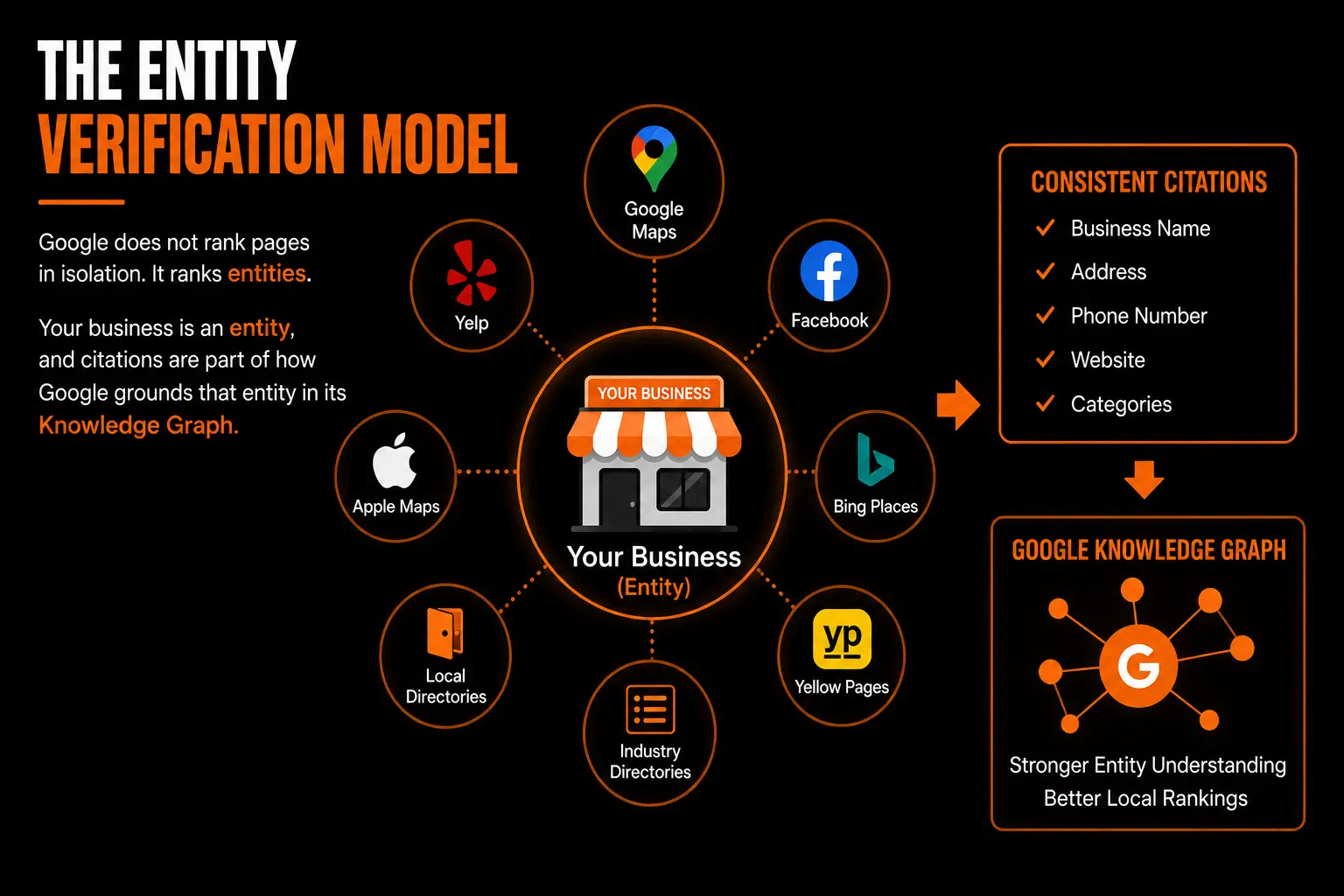
The Entity Verification Model
Google does not rank pages in isolation. It ranks entities. Your business is an entity, and citations are part of how Google grounds that entity in its Knowledge Graph.
AI search engines in 2026 cross-reference data across Google Business Profile, your website, review platforms, citations, and social signals. Their goal is entity-based verification, confirming your business exists and matches its claims, rather than relying solely on traditional link graphs. Discrepancies trigger algorithmic demotions. Consistent alignment across sources builds trust that compounds over time.
This is the connection most competitors never make. Citations, paired with structured data, give both Google and large language models the data points they need to treat your business as a confirmed, trustworthy entity.
Structured Data Makes Citations Machine-Readable
Schema markup on your website mirrors and reinforces what your citations say. A LocalBusiness JSON-LD block with your exact NAP, geo coordinates, areaServed, and sameAs URLs pointing to your GBP and Yelp listings reduces ambiguity at the machine level.
Research shows that GPT-4 improves its accuracy from 16% to 54% with structured content. That same principle applies to AI systems deciding whether to cite your business in a local search answer. Structured data makes your entity easier to extract, verify, and cite.
The key fields to include in your LocalBusiness schema: name, address (with streetAddress, addressLocality, addressRegion, postalCode), telephone, url, geo (latitude and longitude), areaServed, and sameAs links to your primary citation sources.
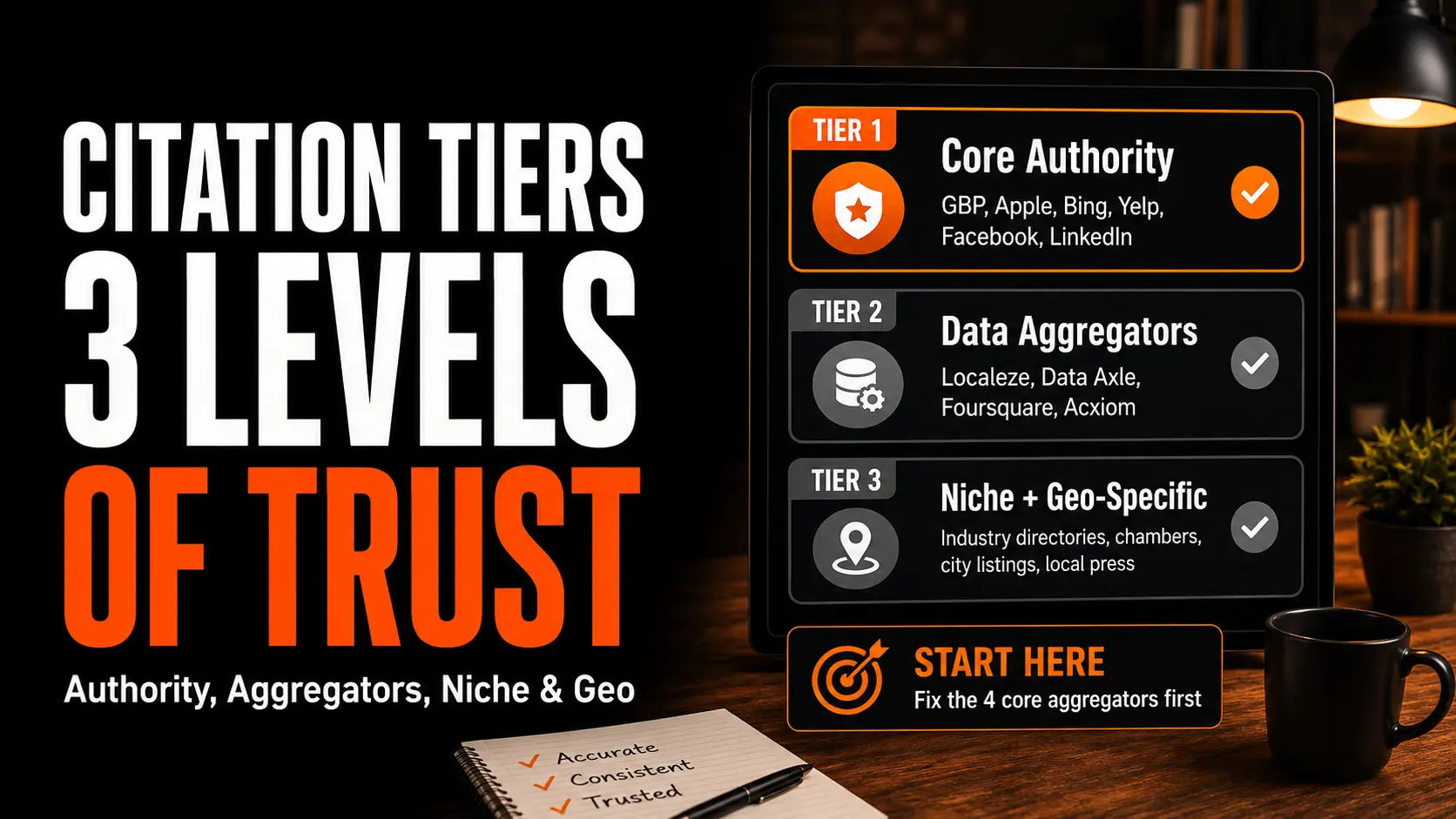
The Three Citation Types You Need to Prioritize
Not all citations carry the same weight. We group them into three tiers based on authority impact and function.
Core Authority Citations
These are your foundation. Google Business Profile, Apple Business Connect, Bing Places, Yelp, Facebook, and LinkedIn. These platforms have domain authority scores of 91 or above. They appear in search results on their own, feed downstream directories, and form the backbone of your entity profile in AI training data.
Data Aggregator Citations
Neustar/Localeze, Data Axle, Foursquare, and Acxiom are the four core data aggregators. Aggregators push your NAP data to hundreds of downstream directories automatically. A single correction at the aggregator level fixes dozens of directory listings simultaneously.
Niche and Geo-Specific Citations
Industry-specific directories carry relevance signals that general directories cannot replicate. Geo-specific citations like local chambers, city directories, and local press directories contribute hyperlocal authority signals national sites cannot provide.
Get these right before doing anything else. An error here multiplies across the web.
Submit or claim your listing at all four core aggregators before building manual citations. This is the highest-leverage step in any citation campaign.
Citation Authority Pyramid
TIER 1 — Core Authorities
GBP · Apple Maps · Yelp · LinkedIn · Facebook · Bing
DA 91–100 · Highest ImpactTIER 2 — Data Aggregators
Neustar/Localeze · Data Axle · Foursquare · Acxiom
Feeds hundreds of downstream directoriesTIER 3 — Niche and Vertical Directories
HomeAdvisor · Healthgrades · Avvo · Angi · Houzz
Vertical relevance signalsTIER 4 — Geo-Specific Citations
Local chambers · City directories · Regional press · Neighborhood portals
Hyperlocal authorityBuild from the top down. Errors at Tier 1 and Tier 2 multiply across every tier below them.
Citations from relevant and authoritative sites strengthen the signals sent to search engines about your authority in your specific vertical. A plumbing company with strong citations on Angi and HomeAdvisor ranks more confidently for plumbing queries than one with only general directory listings.
| Tier | Type | Examples | SEO Impact |
|---|---|---|---|
| 1 | Core Authorities | GBP, Yelp, Apple Maps, Bing, Facebook | Highest — local pack + entity grounding |
| 2 | Data Aggregators | Neustar, Data Axle, Foursquare, Acxiom | High — feeds hundreds of directories |
| 3 | Niche / Vertical | HomeAdvisor, Healthgrades, Avvo, Angi | Medium-High — vertical relevance signals |
| 4 | Geo-Specific | Chamber, city directories, local press | Medium — hyperlocal relevance |
The Top 10 Citation Websites for Local SEO
Not all citation sites carry equal authority. Google assigns more trust to directories with higher domain authority, wider user bases, and stronger data accuracy standards. These are the ten platforms we build first for every client. They move the needle fastest because they carry the strongest entity signals.
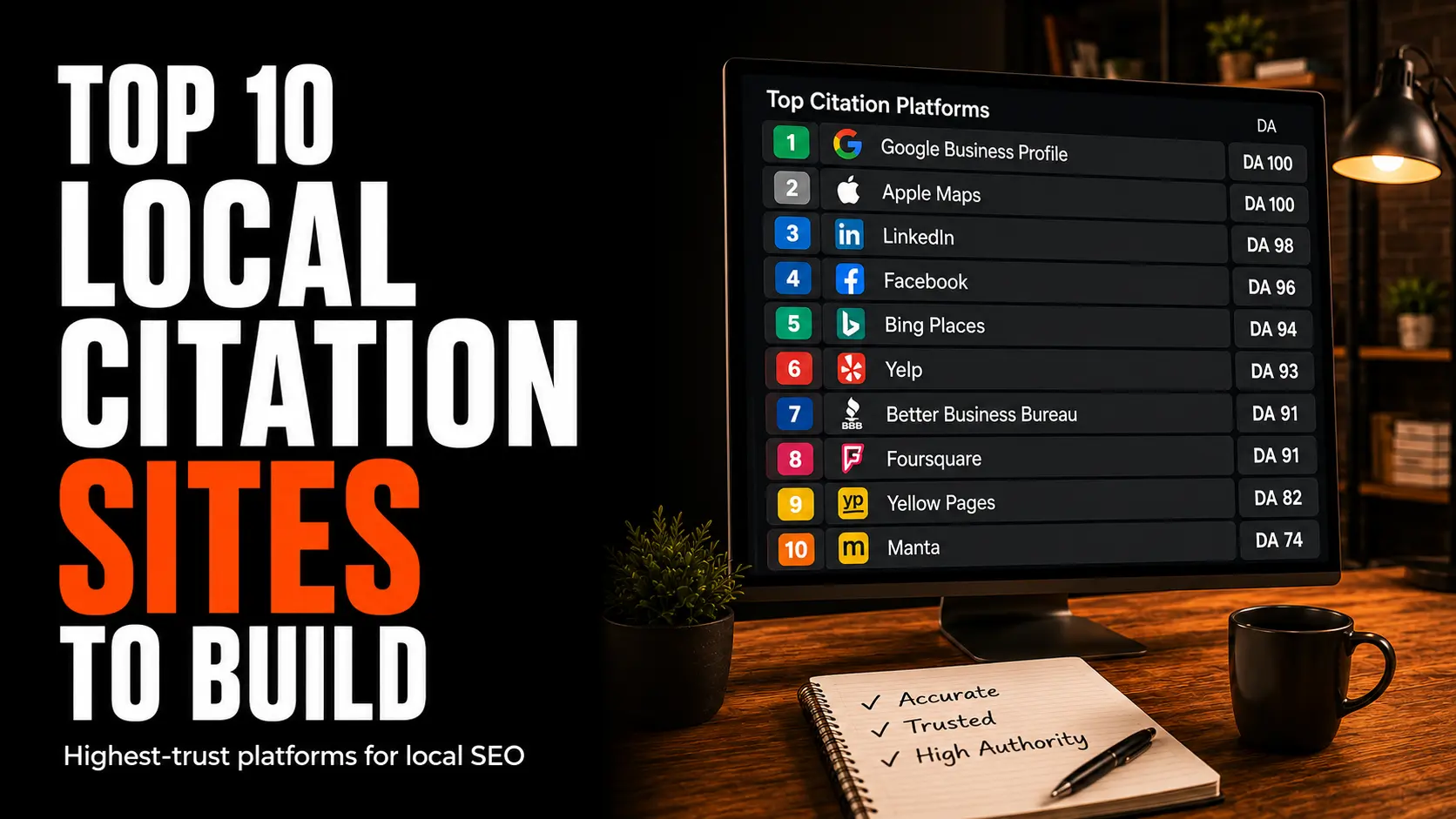
| # | Site | URL | DA | PA | Best For |
|---|---|---|---|---|---|
| 1 | Google Business Profile | business.google.com/create | 100 | 98 | Local pack, Google Maps, Search |
| 2 | Apple Maps | mapsconnect.apple.com | 100 | 95 | iOS users, Siri, Apple ecosystem search |
| 3 | linkedin.com/company/setup/new | 98 | 93 | B2B visibility, professional credibility | |
| 4 | facebook.com/business | 96 | 99 | Social proof, local discovery, review signals | |
| 5 | Bing Places | bingplaces.com | 94 | 91 | Microsoft ecosystem visibility |
| 6 | Yelp | business.yelp.com | 93 | 94 | Review-heavy local verticals |
| 7 | Better Business Bureau | bbb.org | 91 | 88 | Trust and EEAT reinforcement |
| 8 | Foursquare | foursquare.com | 91 | 88 | Downstream data distribution |
| 9 | Yellow Pages | yellowpages.com | 82 | 76 | Broad NAP distribution |
| 10 | Manta | manta.com | 74 | 68 | Small business and B2B discovery |
1. Google Business Profile (DA 100)
Google Business Profile is the single most important citation in local SEO. Full stop. Your GBP listing is what feeds the local 3-pack, Google Maps, and the local Knowledge Panel. Every other citation on this list exists to reinforce what GBP says about your business.
2. Apple Maps (DA 100)
Every iPhone, iPad, Mac, and HomePod defaults to Apple Maps for location searches. Siri pulls business data directly from Apple Business Connect listings. With iOS users representing over 55% of US smartphone traffic, a missing or unclaimed Apple Maps listing means Siri cannot reliably surface your business to more than half of mobile searchers.
3. LinkedIn Company Page (DA 98)
LinkedIn carries massive domain authority and feeds both Google's Knowledge Graph and professional search queries. A fully built LinkedIn company page is a direct trust signal, particularly for B2B service businesses, agencies, consultants, and SaaS companies.
4. Facebook Business Page (DA 96)
Facebook remains one of the most-indexed social platforms on the web. A complete Facebook Business Page with accurate NAP, hours, categories, and active reviews strengthens your local entity profile across both Google and AI systems.
5. Bing Places for Business (DA 94)
Bing holds over 9% of US desktop search market share. More importantly, Bing powers Microsoft Edge, Cortana, and serves as a backend data source for ChatGPT's browsing and answer features.
6. Yelp (DA 93)
Yelp is the dominant review platform for home services, restaurants, dental, legal, and personal care businesses. Beyond reviews, Yelp data feeds Apple Maps, Yahoo Local, and several other high-authority directories.
7. Better Business Bureau (DA 91)
The BBB is one of the few directories Google treats as a direct credibility signal. A BBB accreditation badge and listing carry real EEAT weight, especially for service businesses in home renovation, financial services, legal, and dental.
8. Foursquare (DA 91)
Foursquare operates as a major data aggregator behind the scenes. Their Places database feeds Apple Maps, Uber, Samsung Galaxy, Twitter/X location data, and Snapchat, among others.
9. Yellow Pages (DA 82)
Yellow Pages is one of the original local business directories and still carries strong domain authority. Google indexes YP listings frequently, and the platform appears in search results for many local service queries in its own right.
10. Manta (DA 74)
Manta focuses on small and medium-sized businesses and is widely indexed by Google. It serves as a solid secondary citation for B2B and professional service businesses, particularly in consulting, marketing, accounting, and general business services.
Start with GBP and Apple Maps in day one. Work through LinkedIn, Facebook, and Bing Places in week one. Then move down the list. Each one you verify correctly is another data point Google and AI systems use to confirm your business is exactly who you say you are.
NAP Consistency: The Rule Google Will Not Forgive You For Breaking
NAP stands for Name, Address, and Phone number. These three details must be identical across every citation, everywhere. No exceptions.
Citation inconsistency is the number one issue affecting local SEO rankings. 73% of consumers lose trust in businesses that show inconsistent information across platforms, according to industry research. Google has even less tolerance. Conflicting NAP data reduces its confidence in your listing, and it responds by showing you less.
The most common inconsistency sources are suite number formatting (Suite 200 vs Ste 200), phone number format (212-555-0100 vs +12125550100), and business name variations (Joe's Plumbing LLC vs Joe's Plumbing).
Fix these before building new citations. Accurate data spread thin beats inaccurate data spread wide, every single time.
NAP Consistency: What Google Sees
Inconsistent NAP
Google Business Profile
Joe's Plumbing LLC
123 Main St, Suite 200
(212) 555-0100
Yelp
Joe's Plumbing
123 Main Street Ste 200
212.555.0100
Yellow Pages
Joes Plumbing & Heating
123 Main St
+1-212-555-0100
Google sees 3 different entities. Confidence drops. Rankings drop.
Consistent NAP
Google Business Profile
Joe's Plumbing LLC
123 Main St Suite 200
(212) 555-0100
Yelp
Joe's Plumbing LLC
123 Main St Suite 200
(212) 555-0100
Yellow Pages
Joe's Plumbing LLC
123 Main St Suite 200
(212) 555-0100
Google sees one confirmed entity. Confidence builds. Rankings hold.
Consistent NAP data acts like infrastructure for local rankings and citation trust.
The NAP Audit Process
Follow these six steps in order:
- Run a citation audit using BrightLocal, Whitespark, or Moz Local. Export your full citation list.
- Flag every NAP discrepancy. Pay close attention to suite numbers, phone formats, and business name variations.
- Fix Tier 1 citations first, GBP, Yelp, and Apple Maps. These feed the most authority downstream.
- Submit corrections to the four core data aggregators. Let them cascade to hundreds of downstream directories.
- Create a NAP template document with your exact formatting. Use it for every new citation going forward.
- Re-audit every 90 days. Directories change, get bought, or update their data automatically.
NAP Audit Process
6 steps in orderRun a citation audit
Use BrightLocal, Whitespark, or Moz Local. Export your full citation list with every NAP variation found.
Flag every NAP discrepancy
Focus on suite number formatting, phone number format variations, and business name inconsistencies.
Fix Tier 1 citations first
GBP, Yelp, and Apple Maps. These feed the most authority downstream and influence aggregator data.
Submit corrections to the four core aggregators
One correction cascades to hundreds of downstream directories automatically. This is the highest-leverage step.
Create a NAP template document
Lock in your exact name, address, and phone formatting. Use it for every new citation going forward, without variation.
Re-audit every 90 days
Directories change, get bought, or auto-update data from aggregators. A citation accurate three months ago may not be accurate today.
Building New Citations the Right Way
The order you build citations in matters as much as the number you build. Most businesses do this backwards.
Fix existing before creating new. A bad foundation with more citations on top does not help. It spreads the problem further.
Start with the four core data aggregators. They do the distribution work for you. One submission to Neustar/Localeze, Data Axle, Foursquare, and Acxiom creates cascading citations across hundreds of platforms automatically.
Claim and verify Tier 1 properties manually. Never use automated bulk submission tools for GBP, Yelp, or Apple Maps. These platforms require verification, and a flagged or suspended listing causes more damage than a missing one.
Use LocalBusiness schema on your own site with sameAs URLs pointing to your GBP, Yelp, and Apple Maps listings. This on-site reinforcement reduces the cost for both Google and AI systems to verify your entity.
Citation Building Tools Worth Using
- BrightLocal — best for citation audit, tracking, and new submissions
- Whitespark — best for finding niche citation opportunities by city and industry
- Moz Local — good for aggregator submissions and real-time NAP monitoring
- Yext — enterprise-level, real-time sync across 200+ directories; justified for multi-location brands
Multi-Location Citation Strategy

Each business location is a separate entity in Google's model and needs its own citation footprint.
Every business location needs its own GBP listing, its own set of citations, and its own landing page. NAP must be location-specific, not headquarters-generic.
This is where most franchise and multi-location businesses break down. They build one master citation and assume it covers all locations. It does not. Each location is a separate entity in Google's model.
Each location page on your website should have its own LocalBusiness schema with location-specific NAP, coordinates, and sameAs links. Internal links from the main services page to each location page help Google understand the relationship between them.
How Citations Affect AI Search and LLM Citations

AI systems like ChatGPT and Perplexity cross-reference citation data to verify business entities before citing them in answers.
Citations are no longer just local pack signals. They are entity verification data for AI systems. This distinction matters more in 2026 than it ever has before.
When your NAP is consistent across high-authority directories, large language models like ChatGPT and Perplexity have higher confidence citing your business as a real, verified entity. Inconsistent or missing citations introduce ambiguity. Ambiguous entities get cited less.
According to Ahrefs' February 2026 study, 47% of AI Overview citations now come from pages ranking below position five. AI systems operate on different logic than traditional search. Trust signals and structural clarity matter more than rank position alone.
Structured data, internal linking, and proprietary data help AI systems correctly interpret, summarize, and cite content. Your citation footprint is the offline equivalent for business entity data. It tells AI systems the same thing it tells Google: this business is real, consistent, and trustworthy.
For every industry we work in, from roofing and plumbing to dental and SaaS, citation consistency is now a direct input into whether that business gets cited in AI-generated local answers. That is a new reality most competitors have not adapted to yet.
Citations help AI search engines verify a business's identity. When a business appears consistently across Google Business Profile, Apple Maps, Yelp, and industry directories with matching name, address, and phone number, AI systems treat this consistency as proof the business entity is real and trustworthy. This influences whether AI tools like Google AI Overviews, Perplexity, and ChatGPT include the business in answers to local search queries.
Common Citation Mistakes That Kill Local Rankings
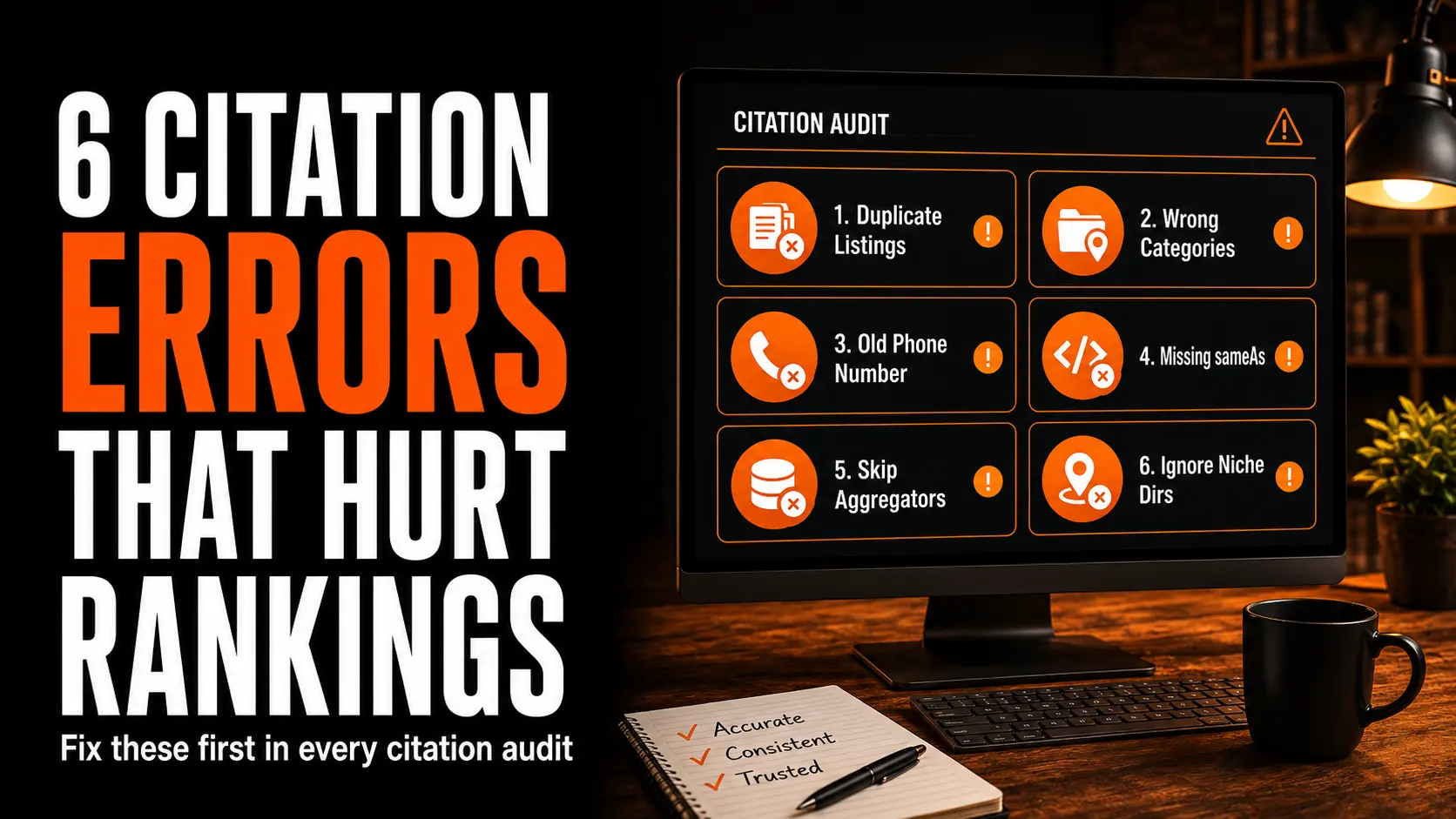
These are the six citation errors we find most often when auditing new clients. Each one is fixable, but leaving them in place actively hurts rankings.
1. Duplicate Listings
Multiple GBP or Yelp listings for the same location confuse Google's entity model. Google does not know which listing to trust, so it trusts neither as strongly. Merge or suppress duplicates immediately. Use the Google Business Profile dashboard for GBP duplicates and contact Yelp support directly for Yelp duplicates.
2. Category Mismatches
Listing a dental clinic under a general health category, or a roofing company under general contractor, dilutes vertical relevance signals. Fix primary and secondary categories on every Tier 1 citation. Make sure your GBP primary category matches your highest-priority service keyword.
3. Outdated Phone Numbers
Old phone numbers left on directories actively push incorrect data back into aggregator feeds. Every time an aggregator rescans the web, it can repopulate directories with the old number. Update all citations when your phone number changes, then re-audit aggregators to confirm the correction has cascaded.
4. Missing sameAs Schema
Your citations work harder when your on-site LocalBusiness schema includes sameAs URLs pointing to your GBP, Yelp, and Apple Maps listings. Without it, Google has to infer the connection between your website and your citations rather than reading it directly from your markup.
5. Building Citations Before Fixing Aggregators
A bad aggregator entry repopulates directories faster than manual fixes can keep up with. Fix the aggregators first. One correction there cascades to hundreds of directories. One manual fix at a time does not.
6. Ignoring Niche Directories
Plumbers who skip HomeAdvisor and Angi, dental practices that ignore Healthgrades, law firms that skip Avvo. These niche directories send vertical relevance signals that general directories cannot replicate. For competitive local queries, the businesses with strong niche citations consistently outrank those without them.
Tracking Citation Performance
Citation building without measurement is guesswork. These are the metrics we track for every local SEO client.
68
avg citations for top 3-pack businesses
95%
target NAP accuracy score to maintain
4x
per year minimum citation re-audit cadence
47%
of AI Overview citations from below position 5
- Citation coverage score in BrightLocal — benchmark your number against the average for top 3-pack competitors in your market
- NAP accuracy score — target 95% or higher consistency across all tracked directories
- Google Business Profile discovery impressions — these reflect improved entity confidence after citation campaigns
- Local pack position for primary service keywords — track monthly against citation-building milestones
- AI search presence — run manual queries in Perplexity, ChatGPT, and Google AI Overviews using your business name and primary service plus city to check whether you appear in AI-generated answers
Set a 90-day audit cadence at minimum. Directories change, get acquired, and auto-update their data. A citation that was accurate three months ago may not be accurate today.
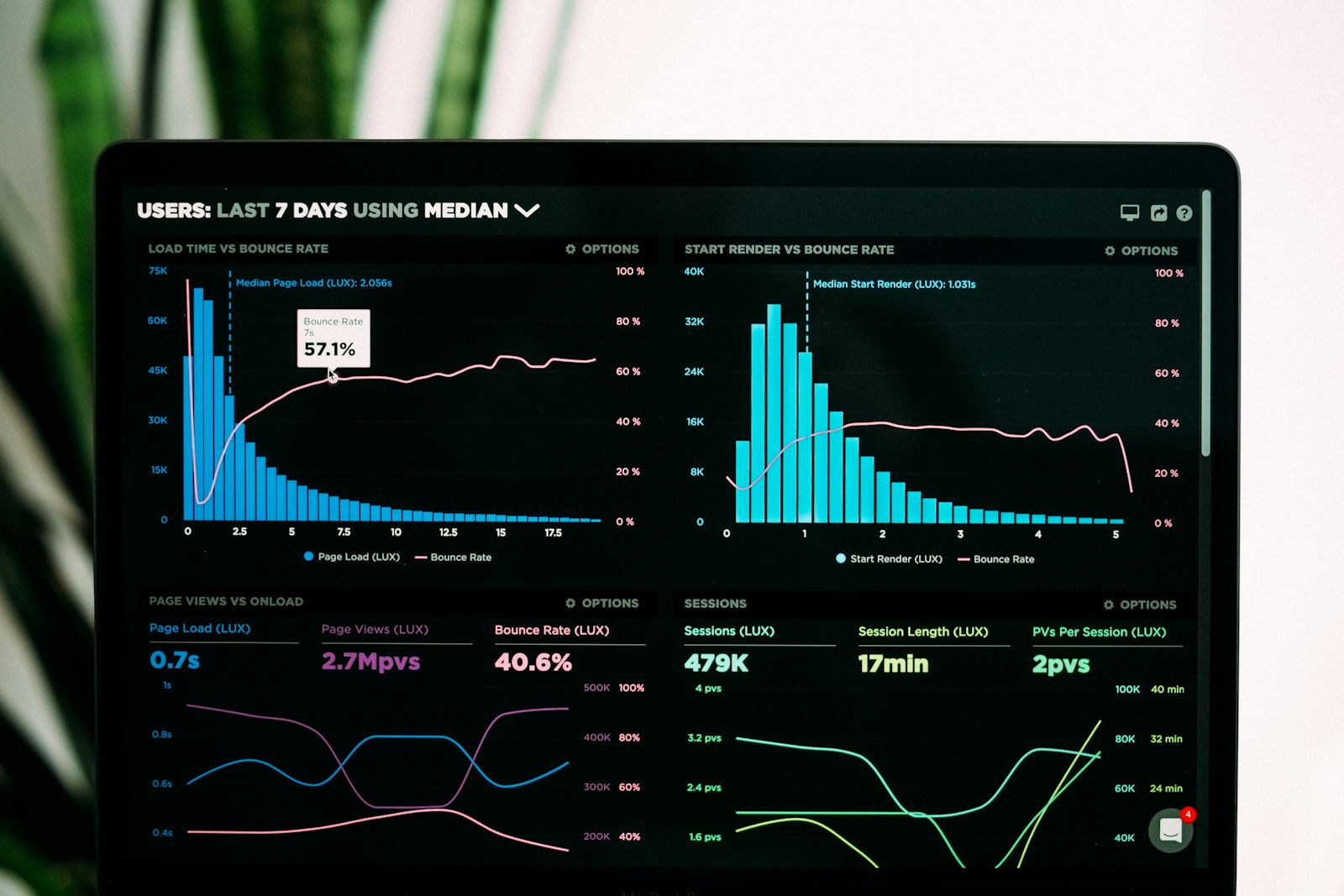
Track citation coverage score, NAP accuracy, GBP impressions, and local pack position on a 90-day cycle.
FAQ: Local Citations SEO
How many local citations do we need to rank in the local pack?
Most businesses need between 50 and 80 accurate citations to compete in the local 3-pack. Whitespark research shows businesses ranking in the 3-pack average 68 citations across platforms. Quality carries more weight than raw volume. 50 accurate, high-authority citations will outperform 150 inconsistent ones every time.
Does NAP inconsistency really hurt rankings?
Yes, significantly. Citation inconsistency is the number one issue affecting local SEO rankings. Google uses citation agreement across directories to confirm your business information. Conflicting data reduces its confidence, and it responds by showing your listing less frequently in local results.
Do local citations still matter with AI search?
More than ever. AI search engines cross-reference data across GBP, websites, review platforms, and citations using entity-based verification to confirm a business is real and trustworthy. Consistent citations are part of what LLMs use to decide whether to cite your business in an AI-generated local answer. Inconsistent or missing citations create ambiguity that AI systems respond to by citing you less.
Can we build citations ourselves, or do we need a service?
You can build Tier 1 and aggregator citations yourself using free or low-cost tools like BrightLocal and Whitespark. Managing citation accuracy across 60+ directories, fixing ongoing aggregator errors, handling duplicate suppression, and integrating LocalBusiness schema markup is a different level of work. Most businesses do not have the bandwidth to maintain it consistently. Our Local SEO service covers the full citation lifecycle — audit, build, monitor, and repair — across all 50 US states.
Citations Are Infrastructure, Not a Checkbox
Citations are not a one-time task. They are a living part of your local trust infrastructure. Directories update their data, aggregators rescan the web, and new platforms gain authority. A citation profile that was solid six months ago may have drifted without you knowing.
The businesses that hold local pack positions and get cited in AI-generated answers share one thing in common. Their entity data is consistent, current, and backed by strong structured data. That consistency is what Google and AI systems interpret as trustworthiness.
Build the right citations, keep the NAP clean, wire it into your schema, and audit on a regular cycle. That is the full process.
We manage citation building, NAP auditing, and local SEO strategy for businesses across all 50 US states. If your citation profile needs a full audit and rebuild, our Local SEO service covers every layer — from aggregator submissions to schema integration.
See how our Local SEO service works.